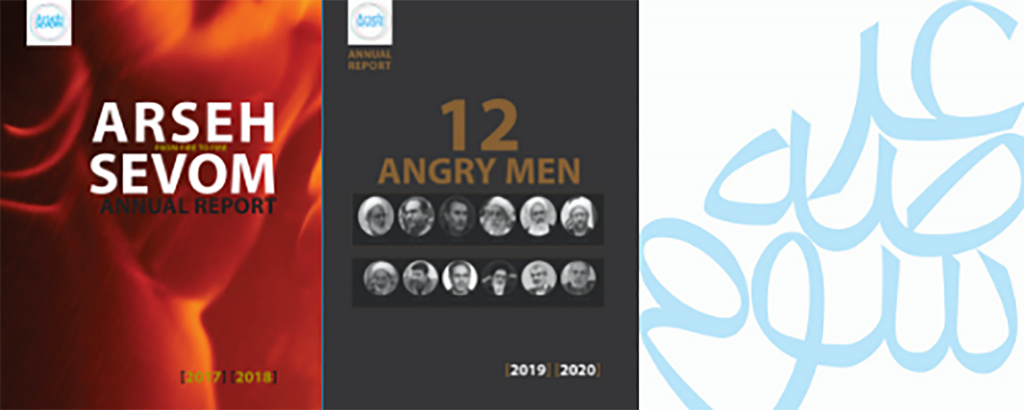
ANNUAL REPORT
May 24, 2021
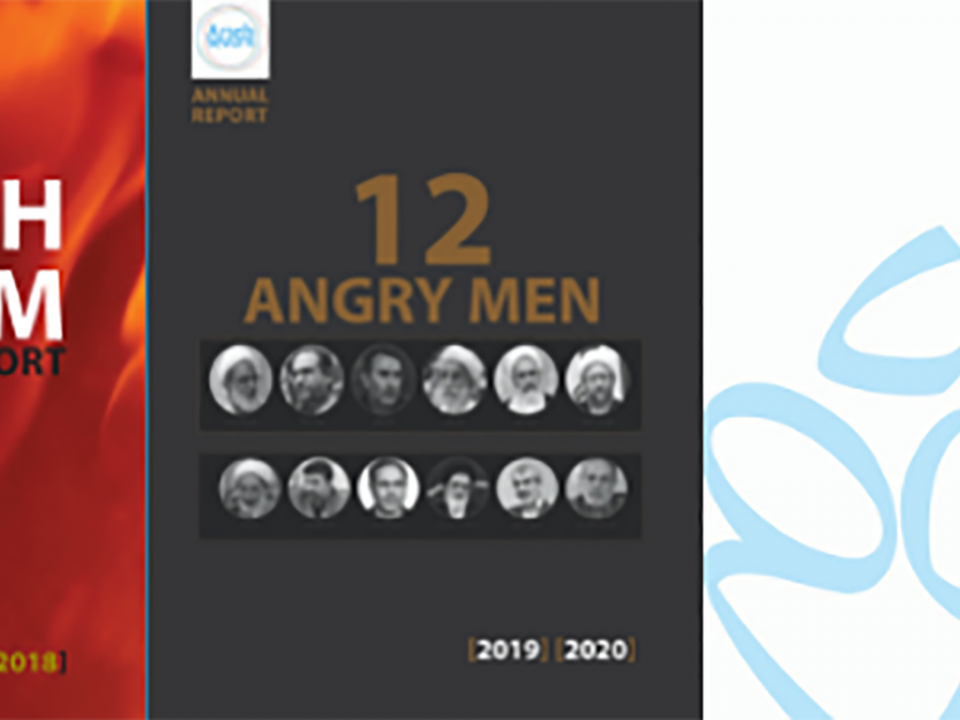
What do you know about power in Iran? Our annual reports provide an overview of that work.
February 18, 2020
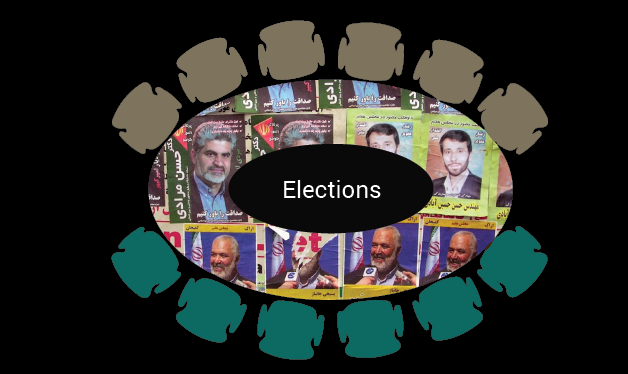
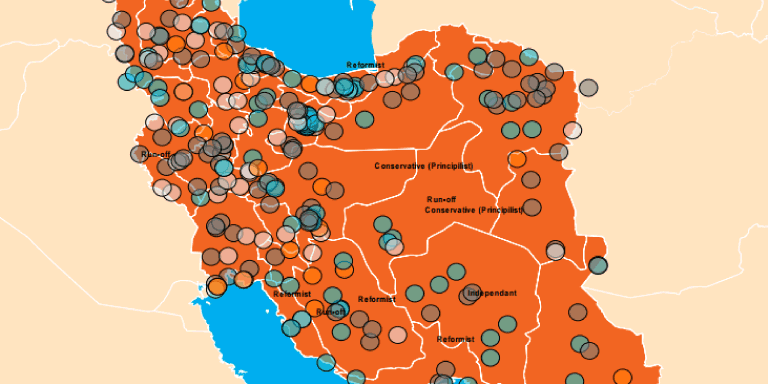
By controlling access to the elections on the part of potential candidates and the way in which elections are run, the Guardian Council and the supreme leader control both present and future power in Iran.
February 4, 2019
The work Arseh Sevom did in 2016 and 2017 was read, viewed, shared, and downloaded over one million times. This surprised us! It shows that the will to be more democratic is not limited to a small, engaged minority. There is an energy for democratic change shining through the cracks. The desire to engage and be heard is broad and deep.
September 20, 2017
June 4, 2014
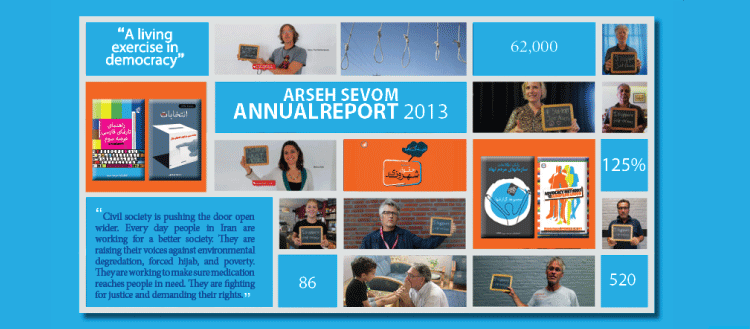
2013 was a busy year for Arseh Sevom. It was a year of collaboration, partnerships, and exploration. In 2013, we brought eighteen people together to discuss civil society in Iran and create a strategy for moving forward as an organization more effectively. We did this by spending a significant amount of time mapping out Iran’s civil society, identifying strengths, weaknesses, and opportunities, talking to civil society actors and organizations inside as well as outside Iran.
May 8, 2013
June 27, 2012

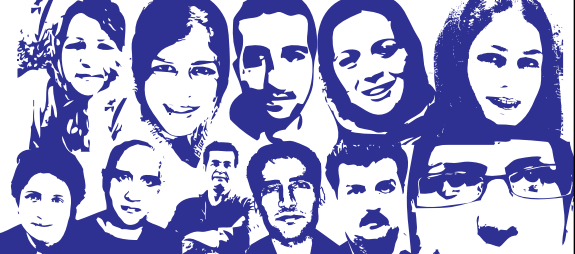
What does it mean to have a vibrant civil society? For us at Arseh Sevom it means giving voice to women, minorities, people on the margins of society.
December 30, 2011
By sharing our struggles as well as our successes, we demonstrate our trust in our stakeholders to help us do everything possible to become successful in our mission to promote a vibrant civil society in Iran and related communities.
February 27, 2011
In this paper, published as part of a report on ICTs and Environmental Society, Arseh Seovm's Sohrab Razzaghi argues that ICT can be used to promote sustainable growth in Iran. He suggests using Information and Communication Technology to address issues of city management, pollution, and environmental issues. The paper stresses the need for more open access to ICT and a commitment to democratic values.
(Continue reading...)
November 30, 2010
Legalizing the Murder of Civil Society reports on a bill that would completely change the legal procedures for registering and operating civil society organizations. Arseh Sevom released a paper analyzing the impact of the proposed law.
October 25, 2010
“We cannot have a democratic system without a democratic people. We need to build a democratic society in Iran."
June 2, 2010
 In mid-June 2009, millions of Iranians took to the streets to protest a deeply flawed election. In the days and weeks that followed, reports of suppression, deaths in prison, torture, and rape, shocked people all over the world. These crackdowns were predictable given the anti-democratic nature of the Ahmadinejad administration.
“Despite the increasingly liberal and pragmatic character of Iranian society, this current administration is highly ideological and hostile to democracy,” Tori Egherman, one of the authors of the report states...While the abuses happen to individuals, they are designed to undermine the democratic development of Iran as a nation. Dr. Sohrab Razzaghi, another author of the report states, “They have chosen to read Iran's ambiguous constitution as fundamentally undemocratic.”
In mid-June 2009, millions of Iranians took to the streets to protest a deeply flawed election. In the days and weeks that followed, reports of suppression, deaths in prison, torture, and rape, shocked people all over the world. These crackdowns were predictable given the anti-democratic nature of the Ahmadinejad administration.
“Despite the increasingly liberal and pragmatic character of Iranian society, this current administration is highly ideological and hostile to democracy,” Tori Egherman, one of the authors of the report states...While the abuses happen to individuals, they are designed to undermine the democratic development of Iran as a nation. Dr. Sohrab Razzaghi, another author of the report states, “They have chosen to read Iran's ambiguous constitution as fundamentally undemocratic.” June 1, 2010
At 1:30 PM, Thursday 15 March, 2007, when members of the board of directors of ICTRC were holding a weekly meeting and most of the staff were present at the ICTRC office, the Intelligence forces (4 persons at first, but 2 other persons showed up later too) came to ICTRC office holding a search warrant issued by the Islamic Republic Revolutionary Court.
May 26, 2010
Under the presidency of Mohammad Khatami (1997-2005), independent forms of civil society expanded. The growth in NGOs began prior to his presidency, but it was tolerated and given space to develop during his term in office. By the end of his term, official statistics reported 6914 registered NGOs in Iran.
May 26, 2010
Human rights abuses in the Islamic Republic of Iran are happening to individuals, but they are targeted at civil society. This is as true of the mistreatment and torture of those detained for protesting after the 2009 presidential elections as it is of the arbitrary arrests of human rights defenders.