
All posts
The Death of the “Twitter Revolution” and the Struggle over Internet Narratives
Any elements that make controlling the internet difficult for authoritarian regimes also make it difficult to use as a targeted tool of intervention.
Let’s Beef Up and Meet Up
For the past few years, Iranian cyber activists have used Western sites such as Facebook, YouTube, Wordpress and other blogging tools with enthusiasm and intelligence. They have also created their own platforms such as Balatarin, which is reminiscent of Digg,
Creating Social Capital in Politically Restrictive Environments
To preserve power and political stability, many repressive regimes have taken measures to prohibit extensive civic engagement and bar the development of a free, civil society. In cases where engagement in the physical public sphere may be limited, a rise in vi
Two Faces of Revolution: (Or, why dictators fear the internet)
The events in Tunisia and Egypt have riveted the region and the world. The eruptions of people power have shaken and taken down the seeming unbreakable edifices of dictatorship. (At the time of writing Mubarak has not formally acknowledged that he has been top

From a Beep to a Whisper
Journalist Nazila Fathi, reminds us all of those heady days after the 2009 elections when millions took to the streets in Tehran and other cities in […]
Contributors
Avery Oslo (Creating the Impossible: The Invisible Network of Britain’s Activist Subculture) began ethnographic research on Scottish Road Protest Culture in 2004. As a part of […]

Killing the Church by Networking
There are established formulas for church growth which are widely understood and discussed within the Christian community. However, one church in Amsterdam, the Netherlands, challenges many […]
Power, Communication, and the Internet
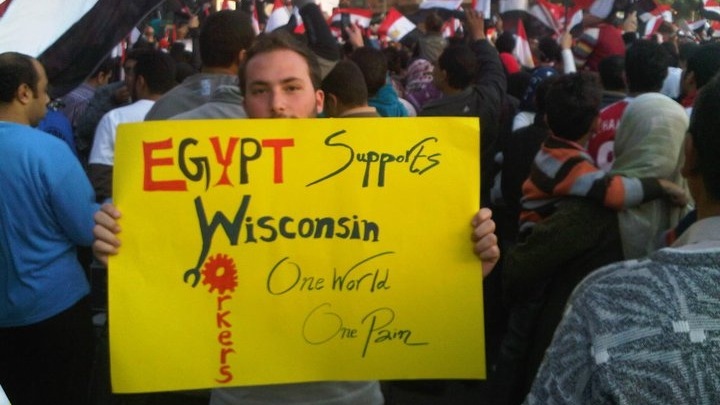
It’s hard to avoid discussions about the use of Facebook to galvanize protests from Egypt than to Wisconsin. As we prepare for the first issue of […]
ICT and Environmental Sustainability
In this paper, published as part of a report on ICTs and Environmental Society, Arseh Seovm’s Sohrab Razzaghi argues that ICT can be used to promote sustainable growth in Iran. He suggests using Information and Communication Technology to address issues of cit