why-bani-adam
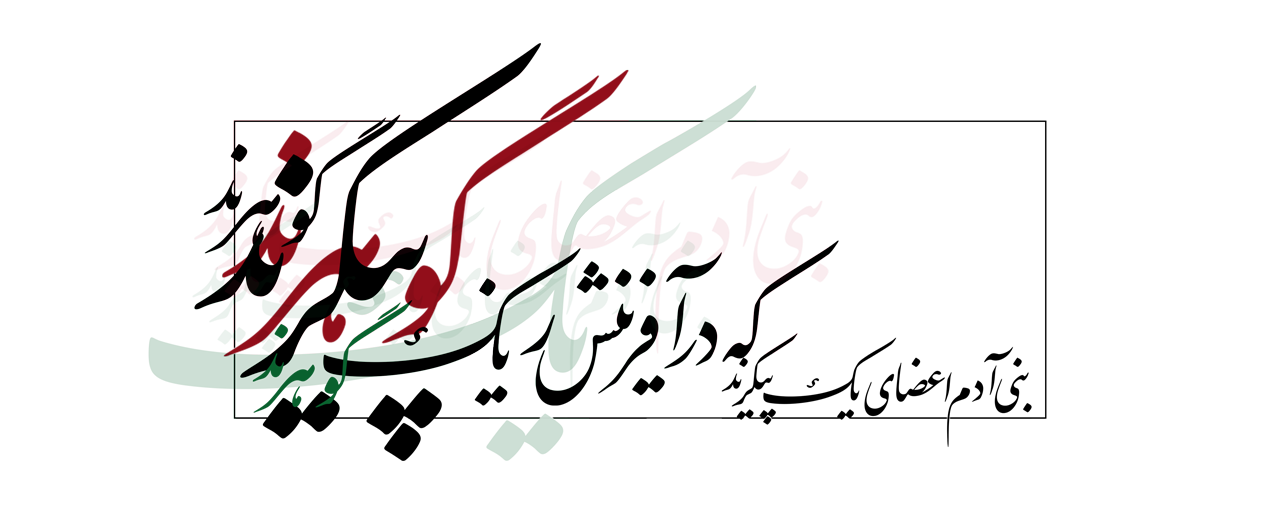
Adam's children are limbs of one body That in creation are cut from one gem. When life and time hurt a limb, Other limbs will not be at ease. You who are not sad for the suffering of others, Do not deserve to be called human. --Saadi
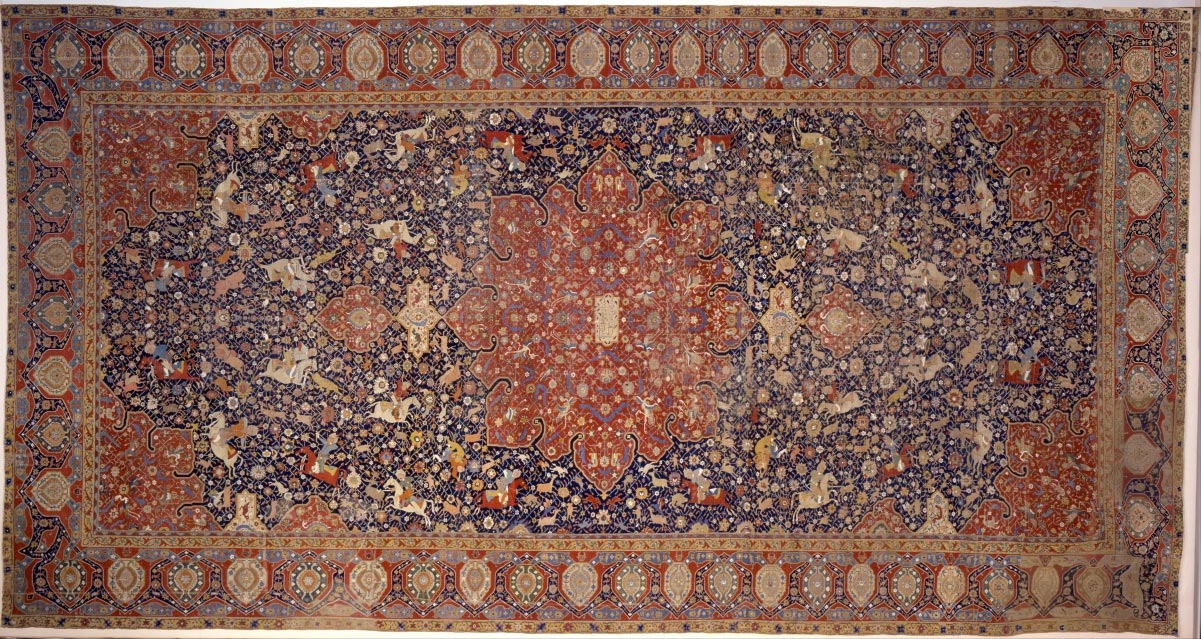
Nothing is more central to Iranian culture than our poetry and the way we tell our stories to each other. We weave stories into carpets, recite poems at dinner, and tell fortunes from Hafez. We blog, write, and whisper to each other. Our music is rich and layered, marrying 700 year old poetry to modern music. Our history is one of many voices, styles, and ideas in conversation with each other over the centuries.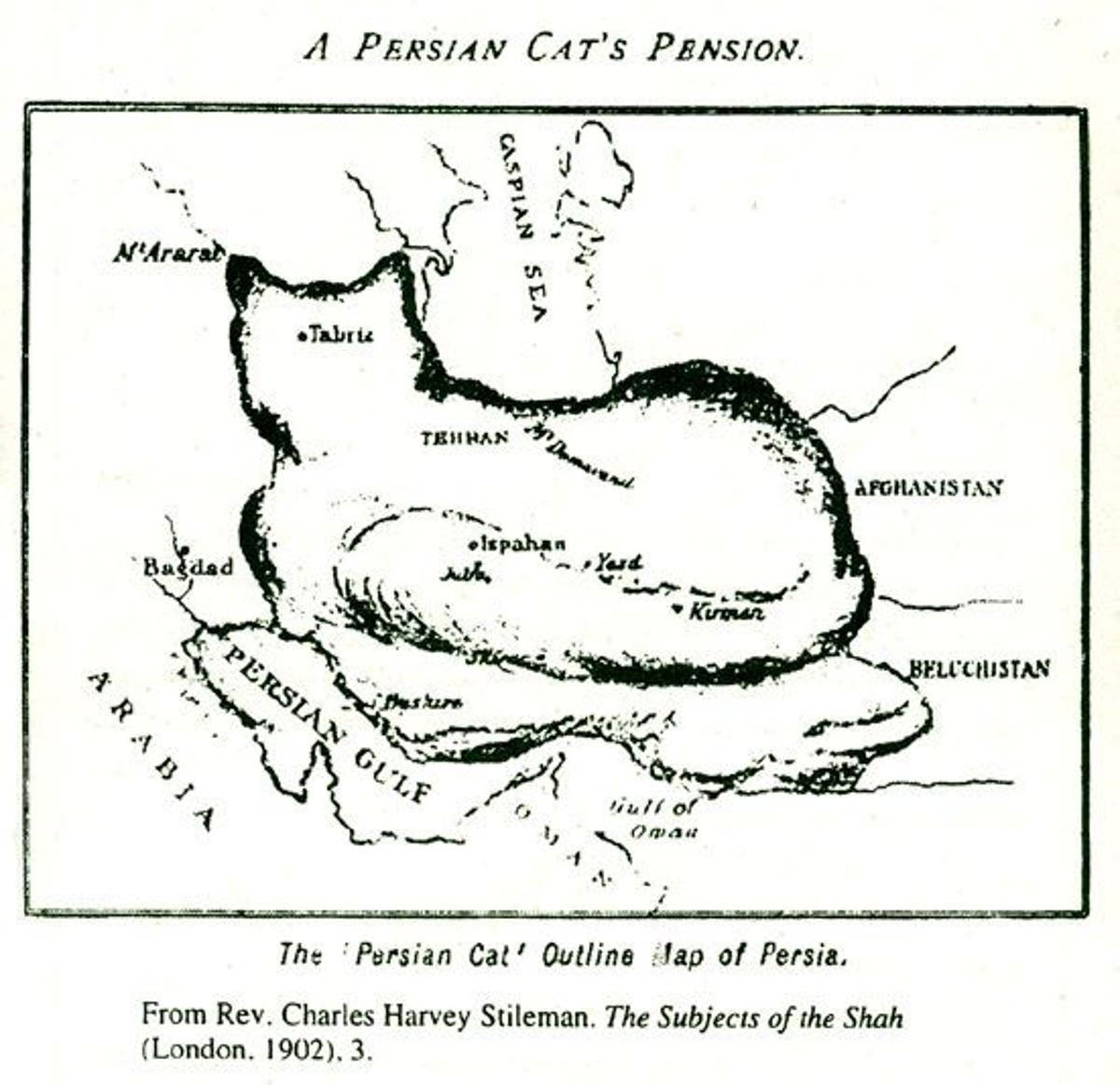
Poetry is just one of the ways in which we -- the people who live inside the borders of the Persian cat and those who have spread out across the world – connect to and express the diversity of our culture.
The range of instruments, sounds, and systems is rich, layered, and complex. It’s a reminder that Iran is not one culture, but a vessel for many.
Traditional music offers a sense of pride, identity, and unmatched beauty. The music keeps centuries old traditions and poetry alive and relevant.
It’s easy to see the value of diversity through the culture it creates: music, art, poetry. And yet, we aren’t all artists and musicians. Some of us are engineers, farmers, parents, cooks, or dishwashers.
The question we need to ask ourselves is how to bring the same understanding of difference to our complicated lives. How do we celebrate our complexity the way we celebrate our music and food? How can we accept and allow the everyday differences that make us human?
How do we reclaim the variety and diversity of our culture from those who seek to divide us? That’s the question we seek to respond to with our new center. The Center for the Children of Adam takes its name from the beautiful poem from Saadi that is inscribed on the wall of the UN. “The children of Adam are limbs of one body.”
Lately, the use of social media has made it clear that there are serious problems in the community with accepting difference. Hate speech is eroding the cohesion of Persian speaking communities all over the world. Discrimination against non-majority populations and religious minorities, anti-Semitism, racism, homophobia, and even Islamophobia, have all infected the conversations we have with each other.
The spread of Nazi propaganda translated into Persian is one manifestation of an attack on our values and society. There are many others, which Arseh Sevom will explore with the Center for Adam’s Children.
We hope that you will join us as we go forward. Please sign up for our newsletter
It’s (not) Just a Joke
Humor at the expense of the less powerful normalizes discrimination and hateful actions. It’s hard to call it out, to identify it, and to object to it. It takes practice and courage.
When a punch line is more like a punch in the gut
Sometimes we pass on discriminatory ideas without even realizing it. We don’t think about what we are saying or why we are saying it, or even the impact it could have on others. These ideas and jokes have become part of our daily life.
If you’re not a racist, hearing a racist joke won’t make you one. Telling one, however, is a different story. Telling disparaging jokes is a way to release and express prejudice. So, if you live in a society where people feel free to make sexist jokes, you can be sure you live in a sexist society. If your friends are making racist jokes, you can be fairly certain that they are racists themselves.
Think about that the next time you want to tell a joke at the expense of Arabs or Kurds or women. It may feel like “just a joke,” to you, but it’s not. It reveals a bias that you yourself may not even be aware of.
It’s important to note that making jokes about groups that are secure in society -- such as doctors, farmers, or, in the case of Iran, Shia Muslims – does not put them at any risk for discrimination. It’s groups that are more insecure that suffer, such as LGBTQ people, disabled people, and women.
This is because there is an unequal power balance.
Making jokes at the expense of those less powerful or those different from the dominant society can lead to physical violence and discrimination. It certainly makes it easier to think of society as divided into Us and Them, which is a marker of potential violence and even genocide
Hate Speech in the Persian Speaking Community
Iran is a diverse nation composed of various ethnicities, religions, sexual orientations, classes, languages, and customs. This diversity is a source of power and strength for its citizens. Because of this, one of the ways the state has repressed the population has been through creating and widening divisions among groups.
Since its inception nearly 40 years ago, the Islamic Republic of Iran (IRI) has paved a path for discrimination and hate speech. The IRI has long propagated its own form of “fake news,” promoting propaganda and discriminatory speech that normalizes the oppression and the marginalization of communities. The IRI attacks human rights, creates a fearful atmosphere for LGBTQ individuals, and institutionalizes discrimination against religious and ethnic minorities, including Kurds, Arab and Sunni minorities, Sufi, Baha’i, and Iran’s Jewish population.
In addition to arrests and harassment of members of minority communities, state policies have led to massive forced migration of religious minorities and other oppressed groups.
Over the past three years, Arseh Sevom has been monitoring the ways in which the IRI uses propaganda to
1) attack human rights and human rights defenders;
2) create space and opportunities for discriminatory speech, including Holocaust denial;
3) discredit minorities; and
4) bolster systematic oppression and further marginalize and make vulnerable minority communities.
Hate, Iranian Style
There has been an alarming increase in transnational online groups promoting a specifically Iranian brand of hate speech. The groups use propaganda to elicit a strong sense of nationalism using carefully manipulated accounts of history that legitimize racism, religious discrimination, and sexism as an integral part of Iranian culture. While we have not uncovered every group, small or large, we have seen their influence in online and offline discussions. It has manifested in discriminatory interpretations of historical events, mainstream dismissals of minority group grievances, and discussions of citizenship. For example, on the 7th of November, a group calling itself Cyrus Day marched to the tomb of Cyrus the Great shouting, “We are Aryan, we do not worship Arabs,” “Whatever is wrong is for the Arabs is the will of God,” and “Happy birthday to the Aryan Cyrus.” Another example is a video of police abuse against Afghans inside Iran.
Arseh Sevom has also noted an increasing tendency towards ethnic divisions from well-educated members of society. Even individuals who claim to support human rights are actually advancing racist ideas, mostly unintentionally. Some examples include:
a) online and offline discussions of who is or is not “Iranian,” which exclude many ethnic minorities within the borders of the country;
b) attacks on scholars, journalists, and civil society actors regarded as “impeding” the overthrow of the IRI; and
c) threats against minority communities seeking redress for abuses.
This all may not seem surprising to many who assume that the natural bias of Iranian society is against religious and ethnic minorities, particularly against Jews and Baha’is. That bias is not natural, but constructed using the communication tools of the state, both apparent and hidden.
Hate groups thrive unchecked online using servers based in Iran. The state has weaponized comedy, making room for cruel stand-up routines on state television.
There are hundreds of cases of regime-affiliated intellectuals who fabricate Quran stories to sow hatred for anyone who is not a Shia Muslim. For example, in one recorded talk, one such pseudo-intellectual states that Persian speakers will be the end of the Jewish people, claiming that this is written in the Quran – in Persian, not Arabic, he asserts – and predicted by Jewish tradition. The trend is particularly concerning as Iran is home to a diverse population, including the largest Jewish and Baha’i populations in the Middle East, outside of Israel.
- Locally, hate speech are part of the chants between the fans of opposing soccer teams; the teams and the attendant fan clubs are controlled by the IRGC, which have a hand in both creating and allowing the hate speech. The hate speech from fans during international games has become so pervasive, that FIFA has stepped in to punish Iran.
- Comics on state television make hateful jokes about Black people, using the worst racial stereotypes of the 19th century.
- Official attacks against and persecution of Baha’i.
- In 2017, Ahmad Jannati, a senior member of the Guardian Council, publicly spoke out against the right of non-Muslims to run for local office.
Preventing Genocide
Article II of the United Nations Convention on the Prevention and Punishment of the Crime of Genocide defines the term genocide in these terms:
In the present Convention, genocide means any of the following acts committed with intent to destroy, in whole or in part, a national, ethnical, racial or religious group, as such:
a) Killing members of the group;
B) Causing serious bodily or mental harm to members of the group;
C) Deliberately inflicting on the group conditions of life calculated to bring about its physical destruction in whole or in part;
D) Imposing measures intended to prevent births within the group;
E) Forcibly transferring children of the group to another group.
Dr. Gregory Stanton (link) has spent his career teaching human rights and working towards the prevention of genocide. In 1996, shortly after the genocide in Rwanda, he presented a multi-stage breakdown of the path to genocide to the United Nations (link). The stages are not linear. They can happen at any time and in any order. Some may occur simultaneously. Importantly, there are opportunities for prevention all along the way. We can use international and local mechanisms and institutions to prevent violence. We can change our societies and make them more inclusive and diverse through protest, the arts, law, and individual action.
This table breaks down the stages.


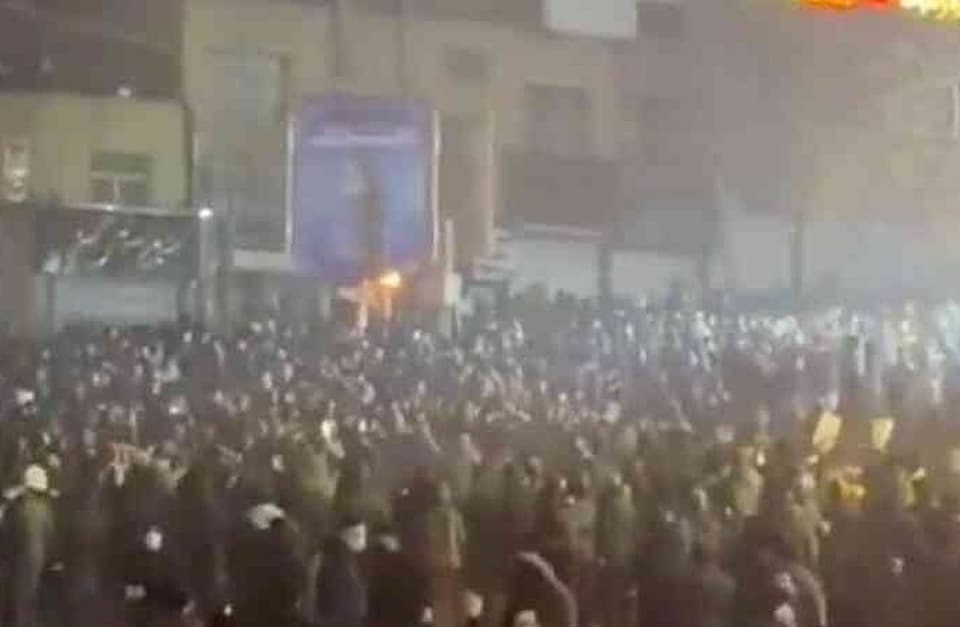
“The killing of peaceful demonstrators must stop”
Arseh Sevom joined over 60 organizations in calling for a special session of the UN Human Rights Council to address the mass killings of protesters in […]
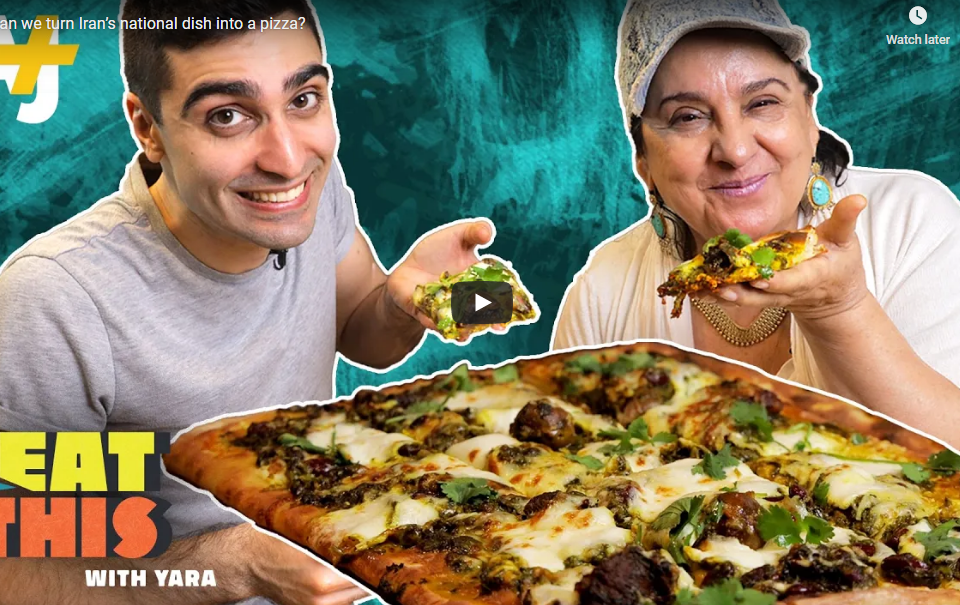
Is International Gormeh Sabzi Day Really Coming Up?
"Gormeh Sabzi is one of the most beloved dishes in Iran," Najmieh Batmanglij says.
Do Not Abuse the Abused
“The sanctions aren’t just impacting us economically, they are isolating us. Obviously, we are isolated internationally, but we are also isolated from each other..."